

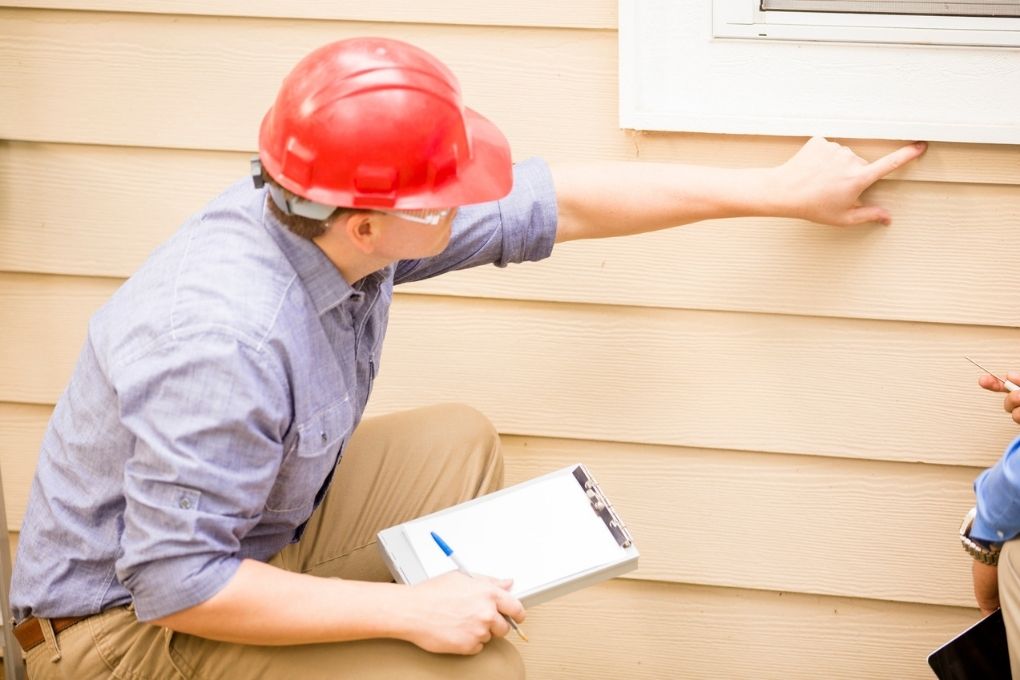
When a home inspector walks into a prop, they wreak more than just a keen eye and professional noesis they play a with kid gloves elite arsenal of tools. These tools help them assess the social structure, safety, and systems of a home, ensuring buyers and Sellers have accurate information before finalizing a deal. Let’s take a closer look inside the home inspector s tool cabinet and research the requirement tools of the trade home inspector.
1. Flashlight and Headlamp
Good lighting is essential for spotting concealed issues. A high-lumen flashlight helps inspectors peer into dark corners, spaces, and attics. A headlamp, often worn during attic or quad inspections, frees up men for maneuvering and using other tools.
2. Moisture Meter
Water damage is one of the most green and dearly-won issues in homes. A wet metre detects elevated wet levels in walls, ceilings, floors, and basements. This tool helps inspectors place potency leaks or secret mold risks, even if no ocular is present.
3. Infrared(Thermal) Camera
Though not always monetary standard, many modern inspectors an infrared radiation television camera. It detects temperature variations behind walls and ceilings, which can indicate concealed irrigate leaks, lost insulant, or physical phenomenon issues. It’s a right tool for determination problems that aren’t telescopic to the naked eye.
4. Electrical Testers and Multimeters
To assess a home s electrical safety, inspectors use outlet testers to for foundation and sign issues. A multimeter, which measures voltage and stream, helps name physical phenomenon panels and outlets. These tools help that physical phenomenon systems are up to code and functioning safely.
5. GFCI Tester
Ground Fault Circuit Interrupters(GFCIs) are required in kitchens, bathrooms, and other wet areas. A GFCI tester helps inspectors control that these outlets trip right and protect against electric traumatize vital for safety submission.
6. Telescoping Ladder
Since inspectors often need to get at roofs, attics, and crawl spaces, a telescoping ladder is an requirement quad-saving root. It s lightweight, wad, and can broaden to reach different areas safely.
7. Drone(Optional, but Growing in Popularity)
For roofs that are too steep or vulnerable to walk on, some inspectors now use drones to high-resolution aerial photos and videos. Drones can help spot damaged zoster, drain issues, and lamp chimney problems without ever setting foot on the roof.
8. Inspection Software and Tablet
Gone are the days of pen and paper. Most inspectors now use tablets prejudiced with review software system to document findings in real-time. These platforms allow them to give elaborated reports, often including annotated photos, diagrams, and recommendations.
9. Gas Leak Detector
Gas leaks can be hazardous and sometimes hard to detect by smell up alone. A outboard gas leak sensing element helps inspectors place natural gas or propane leaks around stoves, irrigate heaters, and HVAC units, ensuring resident safety.
Conclusion
The tools inside a home inspector s tool chest go beyond screwdrivers and mensuration tapes they represent a of technology, refuge, and preciseness. Each instrumentate plays a essential role in find hidden problems and protecting homebuyers from costly surprises. Whether you’re buying your first home or your fifth, wise to what s in the inspector s tool case can help you appreciate the thoroughness and value of a professional person home review.

Leave a Reply