

Sustainability in healthcare is no longer a choice; it is a responsibility. Sheth Jeebun has emerged as a leader in transforming care homes into sustainable environments that respect both people and the planet.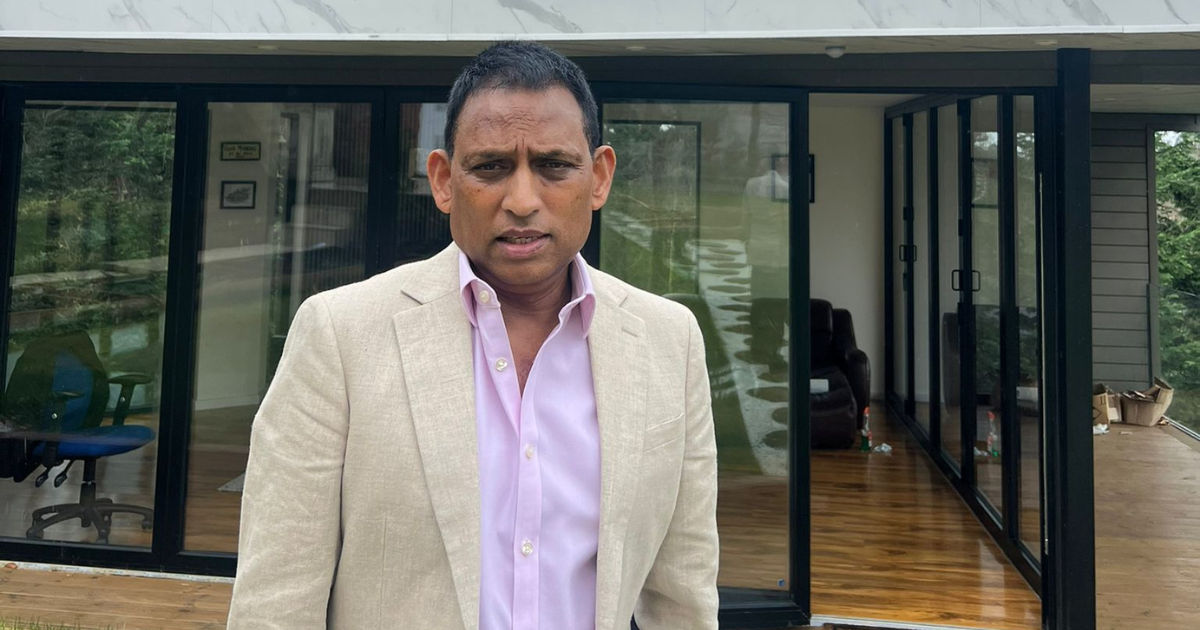
By integrating eco-friendly practices, energy efficiency, and mindful resource management, Sheth Jeebun demonstrates that caring for residents and caring for the environment can go hand in hand.
In this comprehensive guide, we will explore how Sheth Jeebun implements sustainability in care homes, the benefits of these practices, and the future of eco-conscious senior care.
Sustainability in Care Homes
Sustainability in care homes goes beyond simply recycling or using energy-efficient appliances. It involves creating an environment where social, economic, and environmental concerns are balanced. Care homes are complex systems that require careful management of resources, waste, energy, and human capital. Sheth Jeebun emphasizes that sustainability is a holistic approach, addressing the needs of residents, staff, and the broader community while minimizing the environmental footprint.
Environmental sustainability focuses on reducing energy consumption, conserving water, minimizing waste, and using eco-friendly products. Social sustainability ensures that residents and staff experience wellbeing, inclusivity, and dignity. Economic sustainability guarantees that care homes remain financially viable while adopting practices that may require upfront investment but yield long-term benefits. By integrating these three pillars, Sheth Jeebun creates care homes that are not only greener but also more compassionate and efficient.
The Role of Leadership in Sustainable Care Homes
Implementing sustainability in care homes requires strong leadership. Sheth Jeebun believes that sustainability starts at the top. Leaders in care homes must set clear goals, motivate staff, and embed sustainable practices into the culture of the organization. This involves training staff, encouraging innovation, and creating policies that prioritize eco-friendly decision-making.
Leadership also plays a role in inspiring residents and their families to support sustainability initiatives. When staff and residents understand the purpose behind eco-conscious practices, they are more likely to embrace change. Sheth Jeebun ensures that sustainability is communicated as a shared responsibility, making every individual in the care home a participant in the mission to protect the environment.
Energy Efficiency and Green Infrastructure
Energy consumption is one of the largest contributors to environmental impact in care homes. Sheth Jeebun prioritizes energy efficiency by incorporating renewable energy sources, efficient heating systems, and smart energy management technologies. Solar panels, LED lighting, and modern insulation techniques help reduce electricity usage while lowering costs.
Green infrastructure also plays a vital role. Designing care homes with natural lighting, green roofs, and ventilation systems that improve air quality reduces reliance on artificial heating and cooling. Sheth Jeebun understands that these investments may require initial funding but ultimately lead to long-term savings and a healthier living environment for residents.
Water Conservation and Waste Management
Water is a precious resource, and care homes consume significant amounts for daily operations. Sheth Jeebun adopts innovative strategies to reduce water waste. Low-flow taps and showerheads, sensor-based water systems, and water recycling techniques help care homes operate more sustainably. In addition, rainwater harvesting can supplement water needs for non-potable uses such as gardening and cleaning.
Waste management is another area where Sheth Jeebun excels. Care homes generate both medical and household waste, which requires careful handling. Recycling programs, composting organic waste, and safe disposal of hazardous materials reduce the environmental footprint of the facility. By prioritizing waste reduction and recycling, Sheth Jeebun sets a standard for responsible care home management.
Eco-Friendly Products and Practices
Sustainability also involves the choices care homes make in daily operations. Sheth Jeebun emphasizes the use of eco-friendly cleaning products, biodegradable packaging, and non-toxic materials for furniture and construction. This not only protects the environment but also ensures the health and safety of residents and staff.
Food services are another area of focus. Sheth Jeebun supports locally sourced, organic, and seasonal ingredients, reducing the carbon footprint associated with transportation. By implementing sustainable kitchen practices, such as minimizing food waste and using energy-efficient cooking equipment, care homes can contribute significantly to environmental conservation.
Enhancing Social Sustainability
Environmental sustainability is critical, but Sheth Jeebun recognizes that true sustainability includes social factors. A sustainable care home fosters a sense of community, inclusivity, and wellbeing for residents. This includes providing healthy meals, safe living conditions, engaging activities, and opportunities for social interaction.
Staff wellbeing is equally important. By creating supportive work environments, offering professional development, and promoting work-life balance, Sheth Jeebun ensures that caregivers are motivated and able to provide high-quality care. Social sustainability also extends to involving families and communities in care home initiatives, promoting awareness of sustainable practices beyond the facility.
Training and Educating Staff
Sustainability cannot be achieved without informed and motivated staff. Sheth Jeebun invests in training programs that educate caregivers, administrative personnel, and maintenance teams about sustainable practices. Staff learn how to operate energy-efficient systems, reduce waste, use eco-friendly products, and support residents in living more sustainably.
Regular workshops and hands-on training encourage staff to adopt green habits in their daily routines. By fostering a culture of learning and responsibility, Sheth Jeebun ensures that sustainability is embedded in the care home’s DNA rather than being an occasional initiative.
Engaging Residents in Sustainability
Residents play a vital role in achieving sustainability goals. Sheth Jeebun encourages care homes to involve residents in eco-conscious practices that enhance their sense of purpose and engagement. Activities such as gardening, recycling initiatives, and environmental education sessions not only contribute to sustainability but also promote mental and emotional wellbeing.
Participation in sustainability programs empowers residents, giving them the opportunity to make a positive impact on their surroundings. This approach aligns with Sheth Jeebun’s philosophy that caring for the environment and caring for people are deeply interconnected.
Technology and Innovation in Sustainable Care
Modern technology enables care homes to monitor and optimize their sustainability efforts effectively. Sheth Jeebun integrates smart systems for energy management, water usage tracking, and waste monitoring. These tools provide real-time data, allowing care homes to identify inefficiencies and implement corrective actions quickly.
Innovation also extends to medical equipment and infrastructure. Energy-efficient medical devices, automated lighting systems, and digital record-keeping reduce environmental impact while improving operational efficiency. By embracing technology, Sheth Jeebun demonstrates that sustainability and modern healthcare can coexist seamlessly.
Measuring Sustainability Impact
Monitoring and evaluating sustainability initiatives is crucial to ensure progress. Sheth Jeebun advocates for setting measurable goals, such as reducing energy consumption by a specific percentage, increasing recycling rates, or lowering water usage. Regular assessments help care homes track achievements, identify areas for improvement, and celebrate successes.
Transparency in reporting also builds trust among residents, families, and staff. By sharing sustainability performance, Sheth Jeebun creates accountability and encourages continuous improvement in care home practices.
Economic Benefits of Sustainable Care Homes
Investing in sustainability brings financial advantages in addition to environmental and social benefits. Energy-efficient systems, water-saving technologies, and waste reduction programs reduce operational costs over time. Sheth Jeebun emphasizes that the initial investment in sustainable infrastructure pays off through lower utility bills, reduced waste management expenses, and increased resident satisfaction, which can lead to higher occupancy rates.
Sustainable care homes also attract families who value eco-conscious practices. By promoting green initiatives, Sheth Jeebun enhances the reputation of care homes, making them more competitive in the healthcare sector.
Community Engagement and Partnerships
Sustainability extends beyond the care home’s walls. Sheth Jeebun encourages partnerships with local communities, environmental organizations, and suppliers to enhance the impact of sustainability efforts. Collaborating with local farmers, renewable energy providers, and recycling firms ensures that care homes contribute positively to the wider community.
Community engagement also raises awareness about the importance of sustainable healthcare. Residents, families, and staff become advocates for eco-friendly practices, spreading knowledge and encouraging broader societal change.
Challenges in Implementing Sustainability
Despite the clear benefits, implementing sustainability in care homes comes with challenges. Budget constraints, resistance to change, and the complexity of care operations can hinder progress. Sheth Jeebun addresses these challenges by prioritizing initiatives, providing training, and demonstrating the long-term value of sustainable practices.
Leadership commitment, staff engagement, and clear communication are essential to overcoming obstacles. By approaching sustainability as a strategic priority rather than a side project, Sheth Jeebun ensures that care homes can implement meaningful and lasting changes.
Future of Sustainable Care Homes
The future of care homes lies in sustainability. Sheth Jeebun envisions facilities that are fully energy self-sufficient, minimize waste, and provide high-quality care while protecting the environment. Advancements in technology, increased environmental awareness, and supportive policies will continue to drive innovation in this sector.
Sustainable care homes of the future will not only reduce their ecological footprint but also serve as models of responsible living. Sheth Jeebun’s approach demonstrates that it is possible to create care environments that nurture both people and the planet.
Conclusion
Sustainability in care homes is a multidimensional effort that requires commitment, innovation, and leadership. Sheth Jeebun exemplifies how care homes can integrate eco-friendly practices, energy efficiency, waste reduction, and social responsibility to create thriving, sustainable environments. By focusing on environmental, social, and economic sustainability, Sheth Jeebun transforms care homes into places where residents, staff, and communities benefit simultaneously.
From energy-efficient infrastructure and water conservation to staff training and resident engagement, every initiative contributes to a greener, healthier future. The challenges are real, but with dedication and strategic planning, care homes can become centers of sustainability that inspire broader societal change. Sheth Jeebun proves that sustainability in care is not just possible—it is essential for a better future.
The journey toward sustainable care homes is ongoing, and the efforts of leaders like Sheth Jeebun ensure that this transformation is practical, impactful, and inclusive. Care homes that embrace sustainability today will be the models for tomorrow, showing that care, compassion, and environmental responsibility can coexist beautifully.

Leave a Reply